Free Color Analysis — Find Your Color Season in 2 Minutes
Take the free ten-question quiz (~2 minutes) for your season and hex palette. The photo preview below is optional and on-device — same idea as the optional photo at the end of the quiz: saved to help you double-check, not to set your score.
Optional photo preview — quiz sets your season
Detects your face and samples skin, hair, and eye tones. Best in daylight, no filters, hair away from your face.
Drag & drop an image here
or Browse file
Your privacy is protected. Your color analysis runs entirely on your device.
One page per season: full hex palette, wear and avoid colors, outfit and makeup tips.
Take the free quizNot sure where to start? Try Soft Autumn and Soft Summer.
What is color analysis?
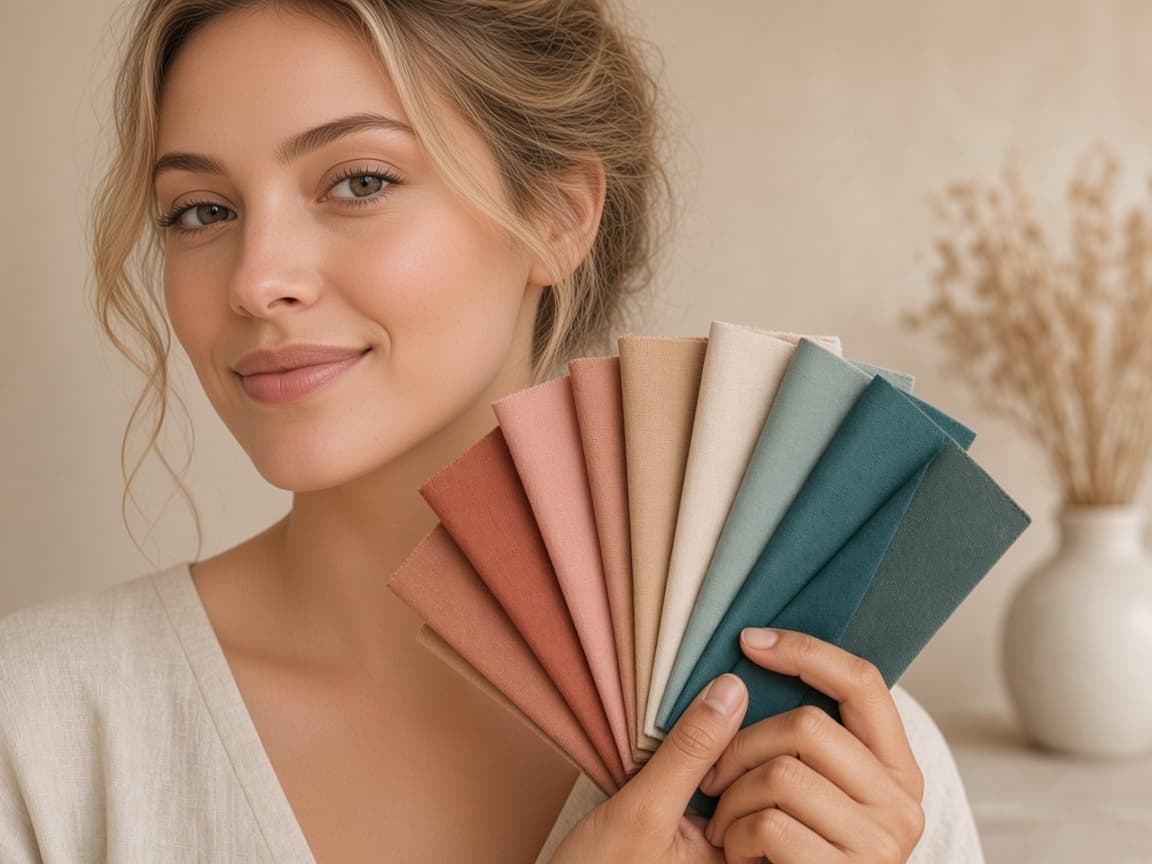
Color analysis is a way to find clothing, makeup, and accessory hues that harmonize with your natural coloring — skin undertone, hair, and eyes. When those elements align, your face looks clearer and features look more defined without extra effort.
Most people fit a color season: a family of shades that repeat the same temperature and depth as you. Seasonal color analysis groups those families so you are not guessing at every shopping trip. You might be a warm autumn, a cool summer, or a bright winter, each with its own best neutrals and accent colors.
This site focuses on practical color season results you can use today. Take the free quiz for a personalized match among eighteen color seasons, or browse the cards above to compare palettes side by side. Whether you are new to color analysis or revisiting your wardrobe, knowing your season saves time and helps you build outfits that feel intentional — not random.
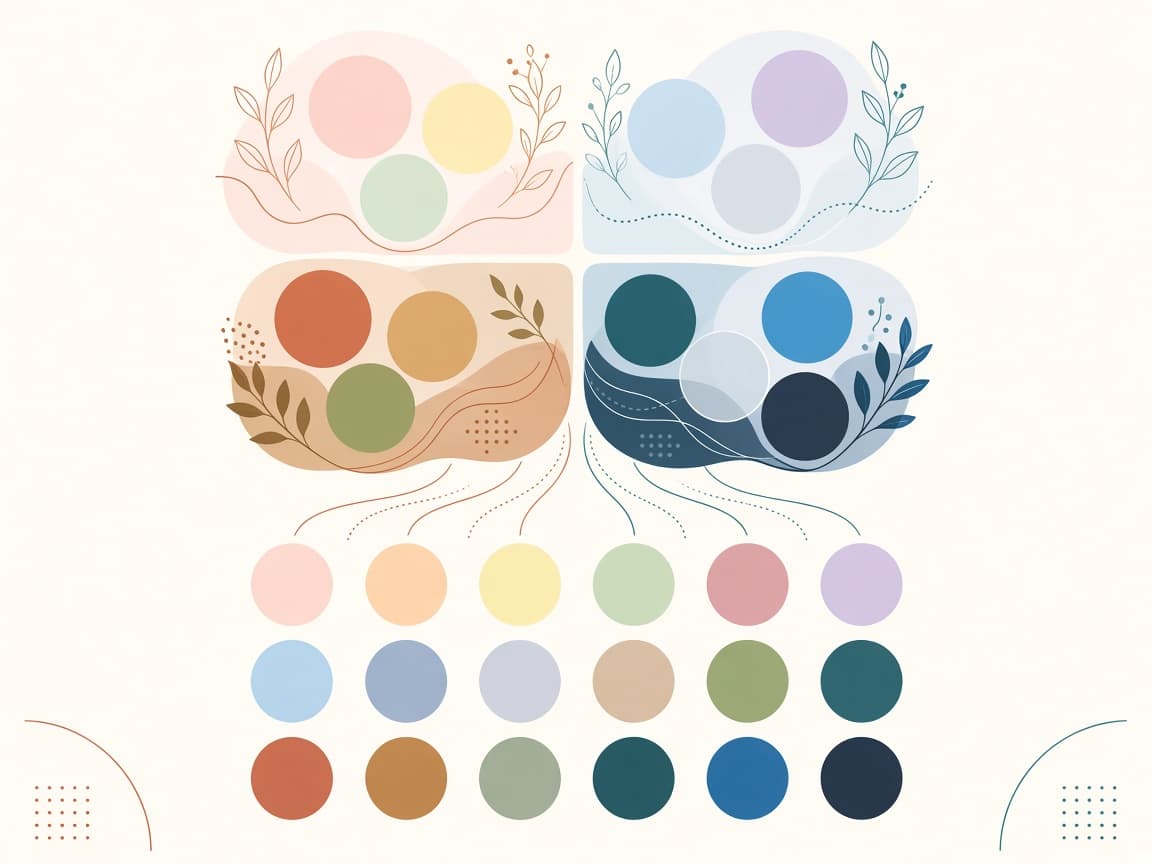
From four seasons to eighteen palettes
Classic color analysis starts with four seasonal families — Spring, Summer, Autumn, and Winter — based on undertone and contrast. That is easy to remember but too broad for modern wardrobes: two people both called "Autumn" might need muted olive versus spicy rust.
The twelve-season model splits each family into light, true, and soft or deep variants (for example Light Spring, True Spring, and Bright Spring). That is the sweet spot many stylists use in consultations. We keep that twelve-season spine on this site and label each palette clearly in the grid above.
We also publish two additional nuanced seasons — Soft Winter and Deep Summer — for people who sit between the classic twelve. All eighteen guides share the same format: hex swatches, wear/avoid colors, and links to neighboring seasons so you can refine your match without contradictory labels. For a visual overview, read our color seasons chart.
Why seasons matter
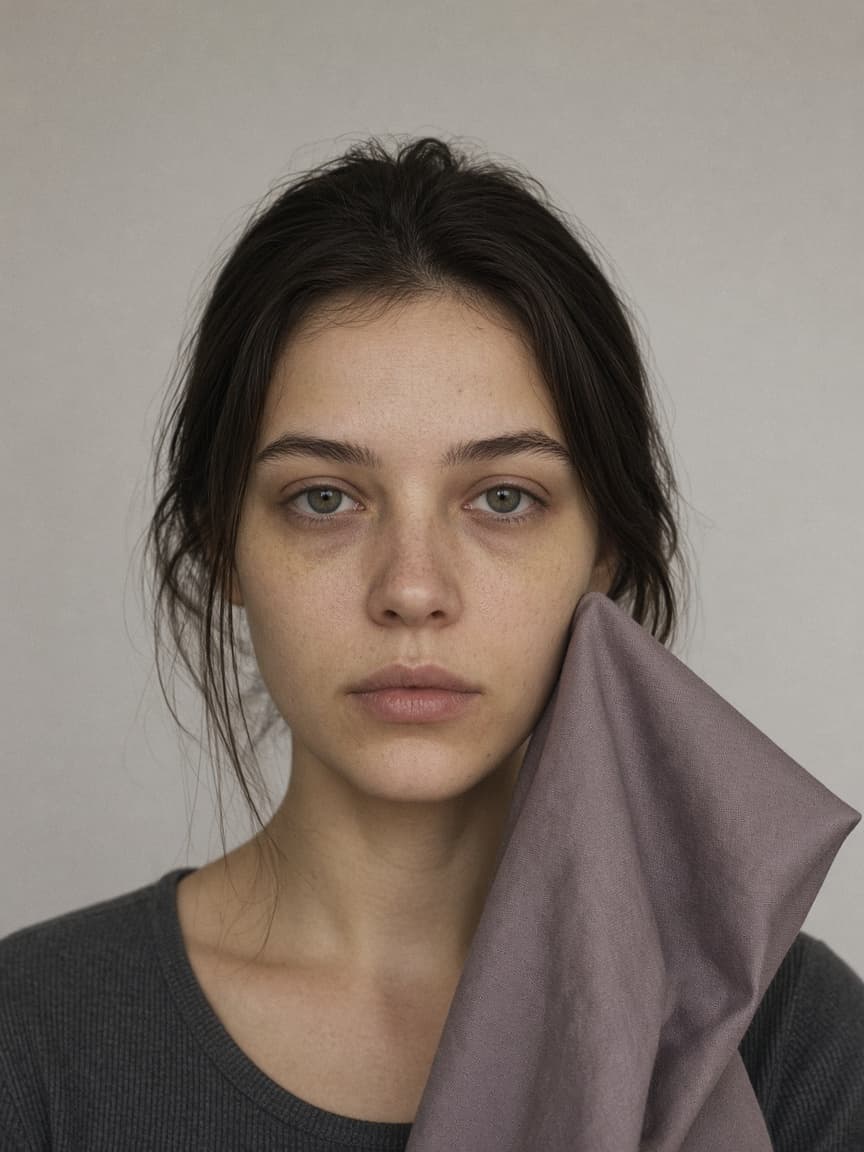
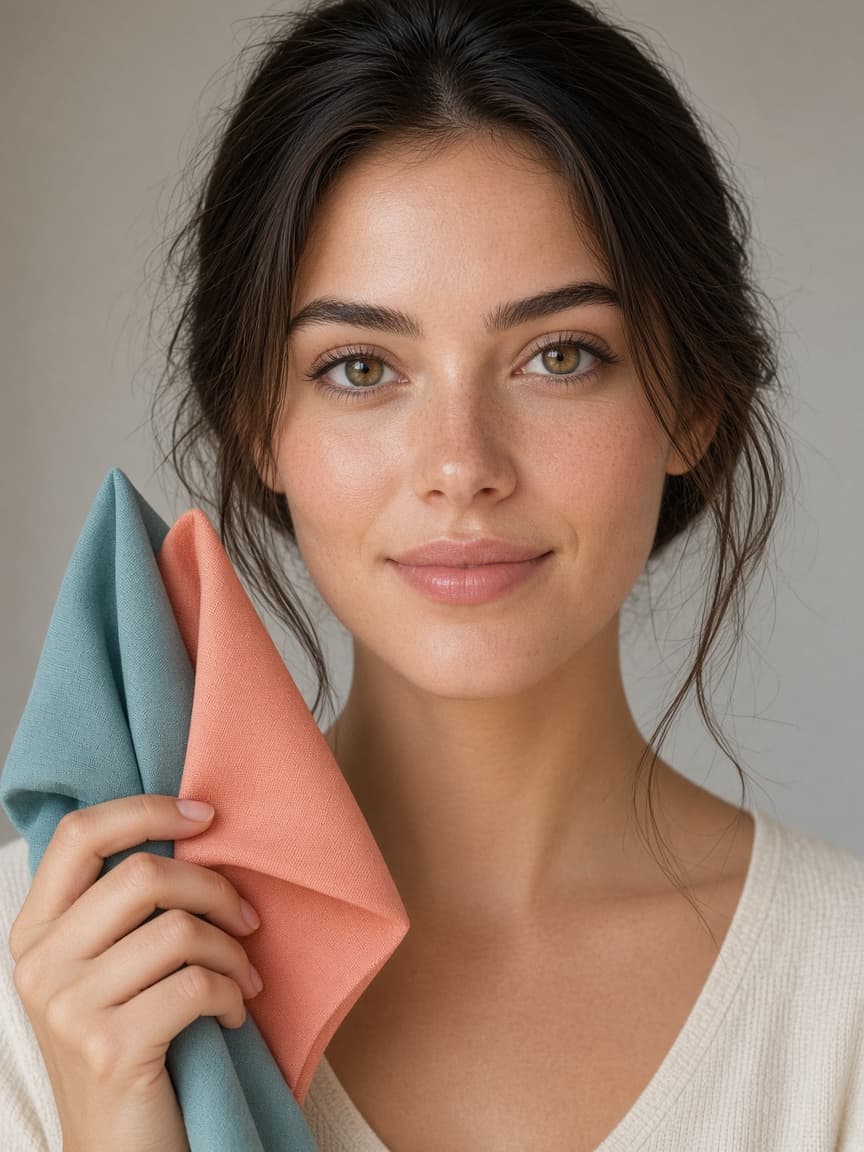
The same face.Two colors.One obvious answer.
The right seasonal palette clears shadow under the eyes and brightens skin without makeup. The wrong shade drains warmth — even in good lighting.
Latest guides
Season-by-season guides—menswear, hair, undertones, celebrities, and wardrobe colors tied to your palette.
Light Spring Color Palette for Brunettes
Warm aqua, peach, and coral for Light Spring brunettes—why dark hair still fits a light warm season and what to avoid.
Cool Summer Hair Color Guide
Ash brown, cool mocha, and soft black for Cool Summer—highlights to skip and how hair ties to the Cool Summer wardrobe palette.
True Autumn Colors for Work & Office Wear
Professional True Autumn outfits—warm navy, olive, rust, camel—for suits, business casual, and video calls.
Frequently asked questions
- What is color analysis?
- Color analysis matches your skin undertone, hair, and eye coloring to a seasonal palette — a set of hues that make you look rested and clear without heavy makeup. It is a practical shortcut for shopping, packing, and building a coherent wardrobe.
- How long does a free color analysis take on this site?
- Your season comes from the free quiz (~2 minutes, ten questions). The home page photo tool is an optional on-device preview only — it does not change quiz scoring. You can also save a photo at the end of the quiz to compare undertone later. No account or download.
- How many color seasons does this site use?
- Eighteen color seasons. We start from the classic four seasonal families (Spring, Summer, Autumn, Winter), refine them into twelve common subtypes, and add two extra nuanced seasons (Soft Winter and Deep Summer) so palettes stay specific without forcing everyone into a single label.
- Is color analysis only about fashion?
- Clothing is the most visible win, but the same palette helps with lipstick, eyewear, hair color, and even Zoom backgrounds. When colors fight your undertone, skin can look dull or uneven — harmony fixes that at a glance.
- What if I am between two seasons?
- That is common near neighboring palettes — for example Soft Autumn versus True Autumn. Compare the two season guides side by side, note which swatches brighten your face in natural light, and use the quiz result as a tiebreaker rather than a rigid label.